Seoul isn’t just South Korea’s capital – it’s a city where palaces sit alongside skyscrapers, where you can hike a mountain in the morning and hit a rooftop bar by evening, and where the subway costs less than a dollar but delivers you anywhere with military precision.
For expats, Seoul offers something unique: a blend of East Asian efficiency, modern convenience, and cultural depth that’s hard to find elsewhere.
Whether you’re moving here for work, adventure, or a fresh start, Seoul has carved out a reputation as one of Asia’s most livable cities for foreigners.
But it’s not all K-pop and Korean BBQ. There are lots of challenges as anyone living in Seoul as a foreigner, from navigating a complex housing system to dealing with traffic jams that’ll make you question your life choices.
The good news? Once you understand how Seoul works, you’ll find it’s a city that rewards those who embrace it.
Below, we’ll cover everything you need to know about expat living in Seoul, from finding an apartment to understanding the work culture, and making the most of your time in Korea’s capital city.
Why Expats Choose to Live in Seoul
Seoul has become a magnet for expats over the past two decades. The city’s transformation from post-war recovery to global powerhouse has been nothing short of remarkable.
Today, Seoul offer jobs for expats that attract professionals, teachers, digital nomads, and families from around the world.
Safety is one of Seoul’s biggest draws. You can leave your laptop on a café table while you use the restroom, and it’ll still be there when you return.
Crime rates in Seoul are exceptionally low, and even late-night subway rides feel perfectly safe.
Modern infrastructure makes daily life remarkably convenient. The subway system is world-class, internet speeds are among the fastest globally, and you can order almost anything through apps like Coupang and have it delivered within hours.
Career opportunities abound, particularly in education, tech, and finance. English teaching remains the most common entry point for expats, but Seoul’s growing tech scene and multinational corporations offer roles for specialists in various fields.
Cultural richness provides endless exploration. From centuries-old palaces and traditional tea houses to cutting-edge art galleries and music venues, Seoul offers a depth of experience that keeps expats engaged for years.
Proximity to travel destinations is another major perk. You’re just a few hours by flight from Tokyo, Shanghai, Taipei, and countless other Asian destinations, making Seoul an ideal base for exploring the region.
Seoul’s Best Neighborhoods
Naturally, choosing where to live in Seoul will significantly impact your experience here as an expat.
Each neighborhood in Seoul has its own personality, and your choice will depend on your lifestyle, budget, and priorities.
Itaewon (이태원)
Itaewon is the undisputed expat capital of Seoul. Walk down the main street and you’ll hear five different languages in five minutes.
This international hub offers everything from Brazilian restaurants to Middle Eastern cuisine, and English is widely spoken throughout the area.
Best for: First-time expats, those nervous about the language barrier, food lovers, and LGBTQ+ residents.
What to expect: A vibrant, diverse atmosphere with plenty of international restaurants, bars, and cafes.
The area has good access to parks, including nearby Namsan, and offers a mix of modern apartments and older buildings. Housing can be pricey, but you’re paying for convenience and community.
Downsides: Can feel touristy at times, and some expats find it too insulated from “real” Korean life. Streets can be steep and narrow, making stroller navigation challenging.
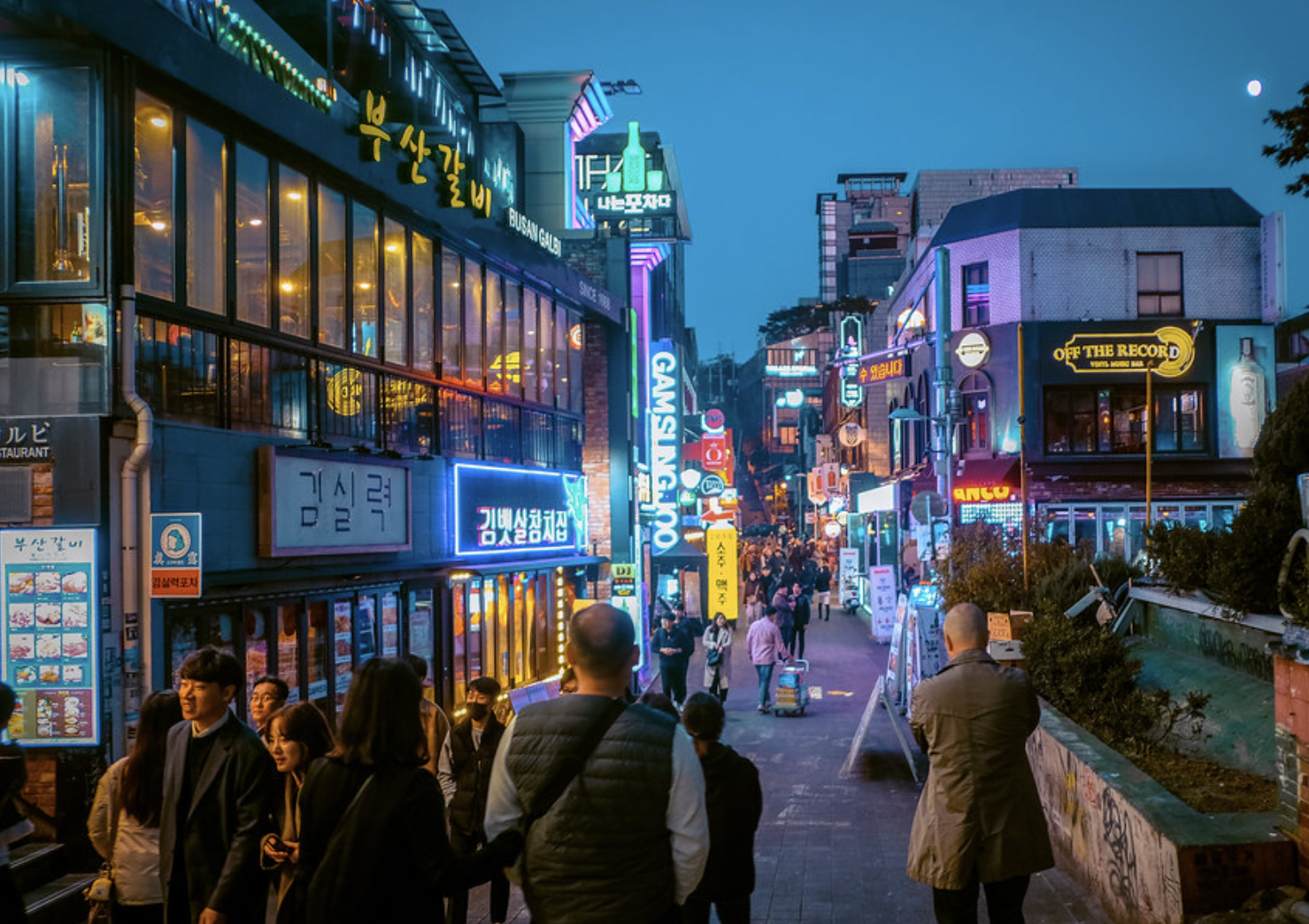
The renowned Itaewon neighborhood is at the top of the list for every expat living in Seoul. This lively district is home to many famous restaurants and bars.
Yongsan (용산)
Yongsan encompasses Itaewon and extends to other areas in Seoul, offering a perfect balance of international and local living. It’s centrally located, well-connected by public transport, and home to numerous parks and cultural sites.
Best for: Families, remote workers, and expats seeking a balance between global and local experiences.
What to expect: A diverse mix of housing options, from modern high-rises to houses with small gardens (rare in Seoul). Good schools and family-friendly amenities. The area feels more residential than Itaewon proper.
Gangnam (강남)
Yes, that Gangnam – the one from Psy’s song. This is Seoul’s business and luxury district, filled with glass skyscrapers, department stores, and high-end restaurants. It’s where Seoul’s corporate professionals live and work.
Best for: Corporate professionals, expats working at Samsung or other major corporations, and those who want everything ultra-modern.
What to expect: Polished, fast-paced, and expensive. Wide streets, modern infrastructure, and excellent shopping. The area feels more international than traditional, with plenty of Western chains and upscale dining.
Downsides: Can feel impersonal and corporate. Many expat families start here but move to more residential areas after a year.
Hongdae (홍대)
Named after Hongik University, Hongdae is Seoul’s creative and youthful heart. Street performers, indie music venues, art galleries, and trendy cafes define this energetic neighborhood.
Best for: Young professionals, digital nomads, students, and creatives.
What to expect: A vibrant nightlife scene, affordable restaurants, and a constant buzz of activity. The area attracts artists, musicians, and designers, giving it a distinctly bohemian vibe.
Downsides: Can be noisy and crowded, especially on weekends. Not ideal for families with young children.
Mapo (마포)
Mapo offers one of the best balances of cost, convenience, and local charm. It’s close to Hongdae but much calmer, providing access to Seoul’s energy without the chaos.
Best for: Families, expats wanting “real Seoul,” and long-term residents.
What to expect: A more authentic Korean neighborhood with excellent local markets, parks, and family-friendly amenities. Housing is more affordable than central areas, and you’ll find a good mix of Korean and expat residents.
Seongsu (성수동)
Once an industrial district, Seongsu has transformed into Seoul’s “Brooklyn” – a hip area filled with converted warehouses, artisan coffee shops, boutiques, and pop-up stores.
Best for: Creatives, entrepreneurs, and those seeking a trendy, artistic atmosphere.
What to expect: Brick buildings, specialty cafes, and a distinctly stylish vibe. The area is larger than you’d expect and offers plenty to explore.
Downsides: Still developing in terms of residential infrastructure, and it’s farther from the city center than other expat-friendly areas.
Housing in Seoul
Quite frankly, Seoul’s housing system confuses nearly every expat at first.
It operates differently from Western rental markets, with two main options that can seem bizarre until you understand them.
The Jeonse System (전세)
Jeonse is uniquely Korean. You pay a massive deposit – often 50-80% of the property’s market value – live rent-free for the lease duration (usually two years), and get the entire deposit back when you leave.
Example: A ₩200 million ($150,000) deposit for a two-bedroom apartment.
Reality for expats: Most companies handle this for their expat employees. Very few foreigners pay Jeonse deposits out of pocket, as the amounts are substantial.

Another world-renowned neighborhood in Seoul is Gangnam. Known for being the district where the rich and the famous frequent, even before “Gangnam Style” became a global sensation.
The Wolse System (월세)
Wolse works more like Western rentals. You pay a smaller deposit (₩10-50 million) plus monthly rent (₩1-2 million for a two-bedroom apartment).
For expats: This is usually the more accessible option, though finding Wolse properties can be slightly harder than Jeonse listings.
How to Find Housing in Seoul
Online platforms:
- Zigbang (직방) – Most popular, Korean only
- Dabang (다방) – Similar to Zigbang
- Peter Pan Real Estate – More English-friendly
- Facebook groups: “Seoul Apartments for Rent,” “Itaewon Housing”
Real estate agents (부동산): Small offices on nearly every street corner. Walk in, tell them your budget and preferred area, and they’ll show you properties. Agents are typically paid by landlords, not tenants, and serve as intermediaries for any issues.
Pro tip: Bring a Korean-speaking friend if possible, as many agents don’t speak English fluently.
What’s Typically Included
Korean apartments usually come with major appliances – washing machine, refrigerator, sometimes a dishwasher and water filter but aren’t fully furnished.
You’ll need to buy or rent furniture, though secondhand apps like Karrot (당근마켓) make this easy and affordable.
Important: Try to meet your landlord before signing. You’ll likely need to contact them for repairs, maintenance, or issues, so gauge whether they seem reasonable and responsive. A difficult landlord can make your life unnecessarily stressful.
Cost of Living in Seoul
Seoul’s cost of living sits somewhere between other Asian cities and Western capitals
It’s more expensive than Bangkok or Hanoi but generally cheaper than London or New York.
Monthly Expenses for a Family of Three (Excluding Rent)
Here’s a realistic breakdown based on actual expat experiences:
Utilities: ₩150,000 ($100) – Electric, gas, water
Internet: ₩60,000 ($45) – 1Gbps fiber
Phone (2 lines): ₩100,000 ($80) – Unlimited data
Car Insurance: ₩110,000 ($70) – All-risk coverage
Gas: ₩100,000 ($65)
Food:
- Groceries: ₩2,000,000 ($1,350) – Mix of Korean and Western products
- Eating out: ₩300,000 ($200) – 2-3 times per week
Transport:
- T-Money cards: ₩20,000 ($15) – Subway/bus
- Occasional taxi: ₩20,000 ($15)
Healthcare:
- Insurance: ₩120,000 ($90) – National health insurance
- Out-of-pocket: ₩50,000 ($35) – Medications, visits
Daycare: ₩420,000 ($250) – Five days per week
Other Costs:
- Entertainment: ₩200,000 ($150)
- Misc Expenses: ₩200,000 ($150)
Total: ₩3,800,000 ($2,600) per month
Getting Around Seoul
Seoul’s transport system is one of the world’s best, though it comes with some quirks that expats need to understand.
The Subway System
The subway is fast, reliable, and incredibly affordable. A single ride costs ₩1,500 (about $1), and trains arrive every 2-4 minutes during peak hours.

Seoul’s subway system covers most areas in the city, making it the most reliable mode of transport for locals and expats alike.
Operating hours
Until midnight on weekdays, 1 AM on weekends. Night buses cover main routes afterward.
Buses
Buses offer a different perspective on Seoul – you actually see the city from the windows. Use your T-Money card to pay, and routes cover nearly every area.
Downside: Many buses aren’t stroller-friendly, with stairs at the entrance rather than low-floor designs.
Taxis
Taxis are reasonably priced for short trips but add up quickly during peak hours or late nights. Use the Kakao T app or K-Ride to book rides.
Electric Bikes
Seoul offers electric bike rentals through the Seoul Bike app, but the system isn’t as cheap as expected, and dedicated cycling lanes are limited. It’s fun for exploring parks or Han River paths but not ideal for daily commuting.
Working in Seoul as a Foreigner
English teaching remains the most common path for expats in Seoul. Positions are available at language schools (hagwons), international schools, and universities.
The standard work visa for this is the E-2 visa for foreign language teachers.
Requirements typically include:
- Native English proficiency
- Bachelor’s degree
- Job sponsorship
- Apostilled university diploma
- Apostilled criminal background check
Specialized professions: Seoul’s tech scene, finance sector, and multinational corporations offer opportunities for IT professionals, engineers, and business specialists.
These roles often require bilingual skills, though some positions accept English-only speakers.
Creative industries: Media, design, marketing, and content creation offer opportunities, particularly with international agencies or companies targeting global markets.
Work Culture Challenges
Korean workplace culture can be a significant adjustment for Western expats:
Hierarchy matters: Age and seniority carry weight. Your opinion may be valued less than your deference to senior colleagues.
Long hours: Korean companies often expect employees to prioritize work over personal life, including overtime and weekend work. After-hours gatherings with colleagues are common and sometimes expected.
Indirect communication: Koreans tend to be indirect, especially when saying no. Understanding nuance becomes essential.
Age-related hiring: Korean companies often prefer hiring recent university graduates, making mid-career changes more difficult. Expats over 35 may face additional challenges in traditional Korean firms.
International companies and startups typically offer more Western-style work environments with better work-life balance.
Healthcare in Seoul
Seoul’s healthcare system offers high quality at surprisingly low costs, though it comes with some important caveats.
The Positives
Quality care: Hospitals and clinics use cutting-edge equipment and employ highly skilled doctors and nurses.
No waiting: Walk into a pediatric clinic, see a doctor within 10 minutes, get medication, and leave – all for about ₩12,000 ($10). In many Western countries, you’d wait days for an appointment.
Affordable medications: Prescriptions are cheap, usually under ₩10,000. Pharmacies dispense medications in convenient paper packets labeled by time of day.
Excellent dental care: Cleanings cost around ₩50,000 ($35), and procedures like fillings or crowns cost a fraction of Western prices.

Healthcare in Seoul is generally affordable and efficient. However, surgery and emergency care can come at a hefty price.
The Challenges
Emergency payment requirements: For serious emergencies requiring immediate surgery, hospitals may demand payment upfront – sometimes $20,000 or more – before proceeding with treatment.
Even with international insurance, this can create dangerous delays if you can’t pay immediately.
Hospital strikes: 2024 saw significant strikes at major hospitals, with some patients being turned away. While strikes have ended, they revealed vulnerabilities in the system.
Prescription culture: Korean doctors tend to prescribe medication more readily than Western doctors.
Even for minor colds, you’ll likely receive prescriptions, and antibiotics are prescribed more frequently than in many Western countries.
National Health Insurance
South Korea’s National Health Insurance (NHIS) is mandatory for all residents, including foreigners, though some exceptions exist.
Check with your employer and insurance provider about requirements and coverage.
Recommended Facilities
For families: Yonsei Gomdori Pediatrics (Itaewon) – English-speaking doctors, parking available
For dental: Seoul UN Dental Clinic (Hannam-dong) – Friendly staff, excellent English
Major hospitals: Severance Hospital, Asan Medical Center, Samsung Medical Center all have International Clinics with English-speaking staff
Challenges of Living in Seoul
Air Quality
Seoul occasionally struggles with air pollution, especially in late winter and spring. Air purifiers are common in homes and offices. The pollution levels are higher than many expats expect, and you’ll often smell car fumes near busy roads.
Fun fact: Namsan Tower changes color (green, yellow, or red) based on current air quality.
Traffic and Crowds
Traffic jams are severe. A 4km (2-mile) drive can take 45 minutes. Weekend trips outside Seoul by car are nearly impossible due to congestion.
The city feels crowded, especially on weekends. Museums and restaurants are often fully booked, and parking lots can have long lines of cars waiting to enter.
Space and Privacy
Apartments are smaller than Western standards, and outdoor personal space (like gardens) is rare. The city’s density can feel overwhelming at times.
Work-Life Balance
For those in Korean companies, long hours and weekend work can be exhausting. The culture values dedication to work over personal time, which can be a difficult adjustment.
Xenophobia
Seoul is generally welcoming, but xenophobia exists. Some expats experience uncomfortable moments, from being told to “stop speaking English” to being stared at in less touristy areas. These incidents are relatively rare but worth acknowledging.
Things to Do in Seoul
Exploring Neighborhoods
Each area in Seoul feels like its own city at times. Here are several of the more interesting neighborhoods:
- Insadong: Art galleries and traditional crafts
- Hongdae: Clubs, bars, and street performances
- Gangnam: Luxury shopping and modern malls
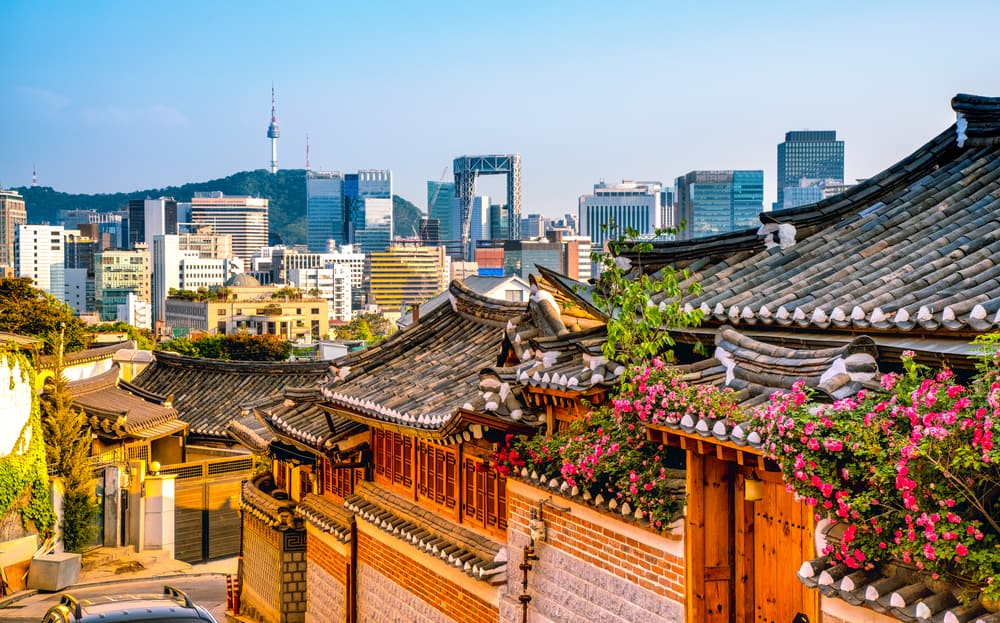
- Bukchon Hanok Village: Traditional Korean houses and history
Nature & Culture
Seoul is surprisingly green. Bukhansan National Park offers excellent hiking just 30 minutes from the city center. Trails are well-maintained, and summit views are spectacular.
The Han River provides riverside parks perfect for picnics, cycling, and relaxation.

When in Seoul, do what the Koreans do! Seoul has so many interesting places and activities to offer for everyone through all walks of life.
When it comes to cultural options, most museums have English explanations and are family-friendly. Here are a few of the largest ones in Seoul.
- War Memorial Museum of Korea: Excellent exhibits and a great playground for kids
- Leeum Samsung Museum of Art: World-class contemporary art
- Audeum Museum: Fascinating history of sound technology
Day Trips
By train:
- Busan: 2.5 hours by KTX (high-speed train)
- Gyeongju: Ancient capital with historical sites (book early – trains sell out weeks in advance)
Weekend getaways by car are challenging due to severe traffic.
International Travel
Seoul’s location makes exploring Asia easy:
- Okinawa: 2.5-hour flight
- Tokyo: 2.5-hour flight
- Shanghai/Beijing: 1.5-hour flight
- Phuket: 6-hour flight
- Hanoi: 5-hour flight
- Jeju Island: 2-hour flight
Is Living in Seoul Right for You?
Seoul offers stability, safety, convenience, and endless exploration opportunities. It’s a city where you can build a comfortable life while experiencing a fascinating culture.
In short, we think it’s safe to say that Seoul is ideal if you want:
- A safe environment for families
- Modern infrastructure and convenience
- Career opportunities in education or tech
- Easy access to travel throughout Asia
Yet on the other hand, Seoul may not be the best place if you’re seeking:
- A dramatic culture shock (it’s quite Westernized)
- Cheap living (it’s affordable but not budget-level)
- Easy weekend escapes by car (traffic makes this nearly impossible)
- Spacious housing (apartments are compact)
Living in Seoul isn’t perfect – no city is. Winters are cold, summers are humid, traffic is frustrating, and bureaucracy can test your patience.
But at the same time, Seoul is also diverse, efficient, safe, and endlessly interesting.
The city rewards those who embrace it with an open mind. Learn some Korean, explore beyond the expat bubble, and let yourself get lost occasionally!
FAQs: Expat Living in Seoul
Is Seoul Expensive Compared to Other Asian cities?
Seoul sits somewhere in the middle when it comes to cost of living in Asia. It's definitely more expensive than Bangkok or Hanoi, but generally cheaper than Singapore or Hong Kong.
Housing costs in Seoul vary significantly depending on the neighborhood you choose – Gangnam will set you back considerably more than Mapo, for instance. The good news is that daily expenses like subway rides (about $1) and healthcare are remarkably affordable, which helps balance out the higher housing costs.
A family of three can expect to spend around ₩3,800,000 ($2,600) per month excluding rent, which covers everything from utilities and groceries to daycare and entertainment.v
What Are the Best Neighborhoods for Expats in Seoul?
The "best" neighborhood really depends on what you're looking for. Itaewon is the undisputed expat capital, offering international restaurants, English-speaking services, and a vibrant multicultural atmosphere – perfect if you're nervous about the language barrier or want easy access to Western amenities. Yongsan provides a nice balance between international and local living, making it ideal for families.
If you're a young professional or creative type, Hongdae's energetic vibe and trendy cafes might be more your speed. Meanwhile, Gangnam offers that polished, corporate lifestyle (yes, that Gangnam from the song), though it'll cost you.
How Does Seoul's Housing System Work for Foreigners?
Seoul's housing system confuses nearly every expat at first because it operates quite differently from Western rental markets. There are two main options: Jeonse and Wolse. Jeonse requires a massive deposit (often 50-80% of the property's value) but you live rent-free and get the deposit back when you leave – though most expats don't use this system unless their company handles it.
Wolse works more like Western rentals with a smaller deposit (₩10-50 million) plus monthly rent, making it the more accessible option for most foreigners. You can find apartments through online platforms like Zigbang or Dabang, Facebook groups, or by walking into one of the small real estate offices (부동산) found on nearly every street corner. Just remember that Korean apartments typically come with major appliances but aren't fully furnished, so you'll need to buy or rent furniture.